Flax seed is one of the richest sources of fatty acids that dilute the blood and reduce the risk of thrombosis.
In traditional medicine, it is used as a cure against inflammation of the nose tissue and membrane (chronic rhinosinusitis), stomach and intestines. In case of digestion problems, you should consume two spoons daily.
The content makes the flax similar to wild mallow. It is a real treasury of good health because it is rich in vitamin F. The flax seed oil produces best results when treating dry skin (it prevents early aging) or constipation, and it reduces the inflammation of the respiratory, digestive and urinary system.
The flax seed is a great laxative and can be added to baked goods, cereals, salads, corn flakes or it can be used for preparing tea.
Use: flax seed should be ground in order to use up all the curative properties. It can be added to salads, corn flakes, muesli, cookies, bread or baked goods.
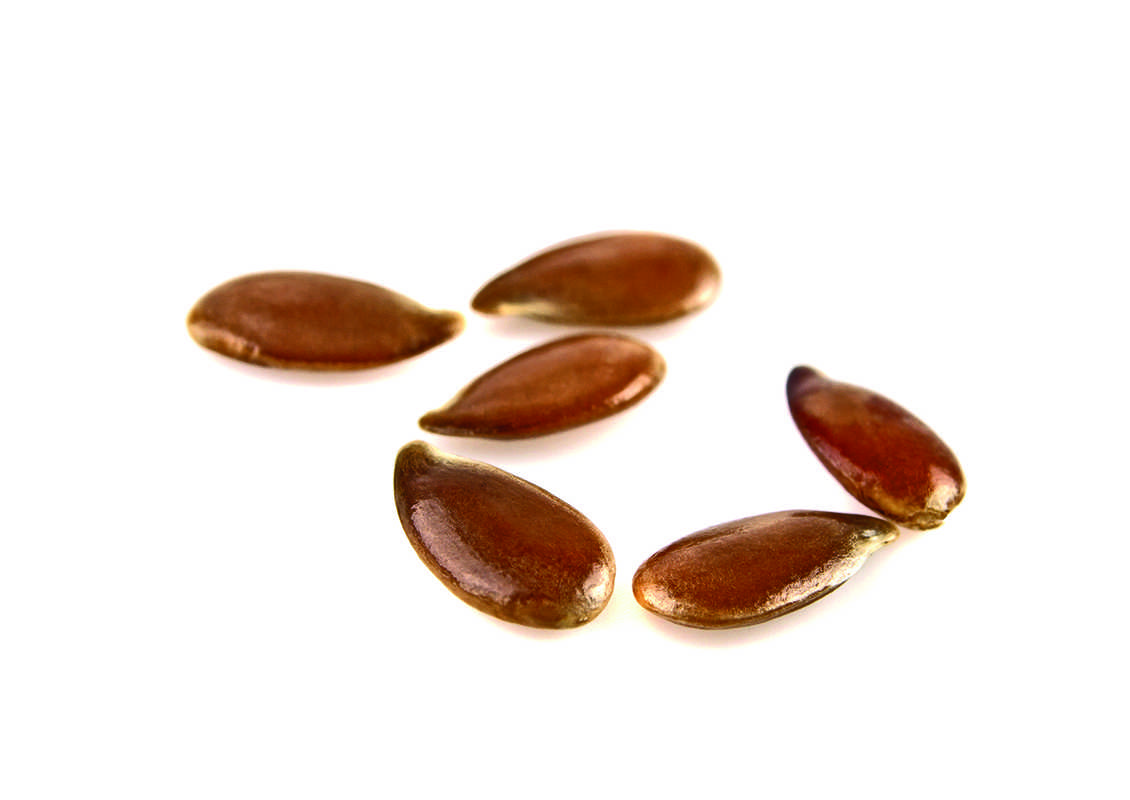
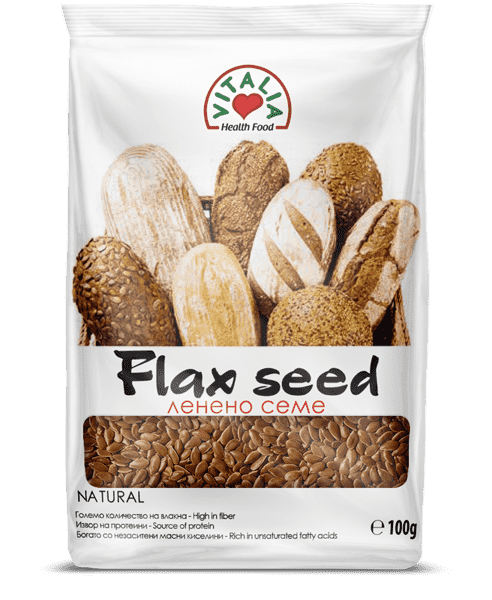
Flax Seed
healthy, nutritious, fibers, omega3, fats,Flax seed is one of the richest sources of fatty acids that dilute the blood and reduce the risk of thrombosis.
In traditional medicine, it is used as a cure against inflammation of nose tissue and membrane (chronic rhinosinusitis), stomach and intestines. In case of digestion problems, you should consume two spoons daily.
Ingredients:
Flaxen seeds
Allergen info:
May contain traces of gluten, nuts, soy and sesame.
| Nutrition Information | 100 g/г |
|---|---|
| Energy | 2071kJ/493.3kcal |
| Fat | 39.9 g |
| of which saturates | 3.7 g |
| Monounsaturated fatty acids | 7.5 g |
| Monounsaturated fatty acids | 28.7 g |
| Carbohydrates | 1.6 g |
| of which sugars | 1.5 g |
| Fiber | 27.3 g |
| Proteins | 18.3 g |
| Salt | 0.075 g |
"Fibers"
"Polyunsaturated Fats"
"Proteins"
Flax seeds
Flax seed contains high levels of protein, dietary fiber, several B vitamins and dietary minerals. It is a great addition to salads, muesli and bars by offerings extra omega-3 fatty acids.